These steps can happen in a different order, in parallel, to varying degrees of detail, and remain under continuous review until the changes have been completed. They also don’t work in isolation, each step is dependent on the other.
Dear Reader,
Whether you are a friend, colleague, someone browsing the internet or even a member of my family who has no idea what I do... I wrote this for you. I hope you find it interesting.
By reading on, you'll find out about Change Management.
Of course, everything is changing all the time, and not all changes need to be managed, but when an organisation is making specific changes, there are benefits to taking a disciplined approach as to how they are done. Often, these benefits are only understood out of failed attempts to change something.
The over simplified formula for success: 1. Understand what the changes are (define a vision). 2. Understand who'sinvolved, and how influential and supportive they are (stakeholder analysis). 3. Find out what and who will be impacted and what needs to be done to support them (Change Impact Assessments). 4. Decide what communication (information), engagement (an open dialogue) and training is needed. 5. Measure how successful the changes are (Key Performance Indicators).
These steps can happen in a different order, in parallel, to varying degrees of detail, and remain under continuous review until the changes have been completed. They also don’t work in isolation, each step is dependent on the other.
Changes come in all shapes and sizes.
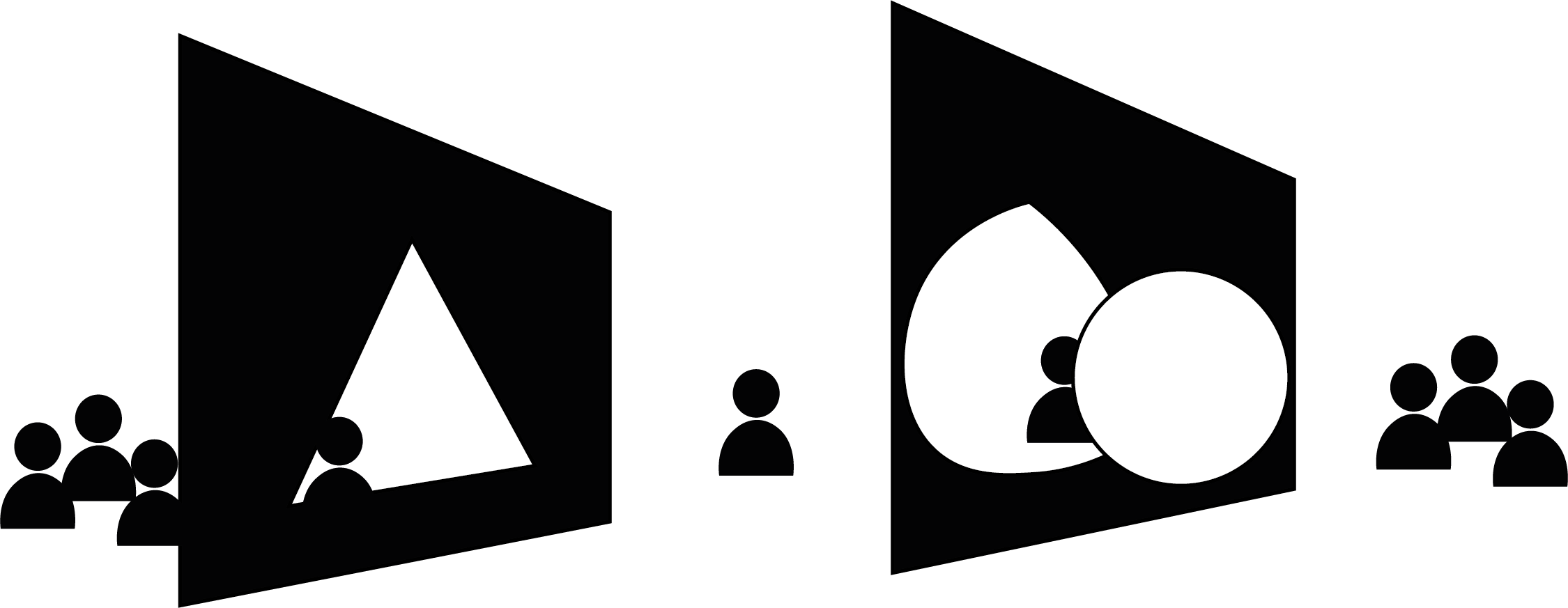
Like painting a picture, defining what is changing requires interpretation of reality. However, paintings tend to be the work of an individual, whereas shaping changes in business involves numerous people, each with their own objectives.
There is usually an overall strategy, which may or may not be referred to as the change, but then there are all the smaller changes that lead to some bigger changes required to deliver the change. And all these changes can be confused with what is being delivered which is the actual change that everyone is working on to deliver the change. Clear? (Absolutely not.)
To add to this, the need for change can come from any and many directions. Inside, outside, losses, wins, strategic thinking, collaboration, innovation, spiralling costs, new ambitions, or my favourite, the basic need to remain relevant and efficient.
The job of Change Management is to look at what is changing because of something new that is happening. Otherwise, it would be like managing any other work and could be easily confused with Project Management or just “doing the job”.
Change goes part in parcel with managing any business. Change Management specifically helps everyone involved to be prepared for whatever is being delivered.
It works closely with the people delivering something new to pre-empt issues that, if left unresolved, would prevent the changes from happening.
How changes get managed.
Adaptability (especially understanding "the politics")
Navigating ambiguity. Agreeing something and then needing to change it. Not changing too often. Explaining it all in a clear narrative that encourages support and understanding from everyone involved is a neccessary mission.
Motivation
Retaining motivation through hard times. Respect for everyone involved and working together to find silver linings is essential for changes to succeed.
Structure
The number one requirement. When all else fails, having a solid structure enables visibility, consciousness and a common understanding. A good structure provides critical objectivity in situations that are otherwise seen from so many different perspectives that most are left scratching their heads over what went wrong.
Watch this space as I post more about what makes Change Management work.